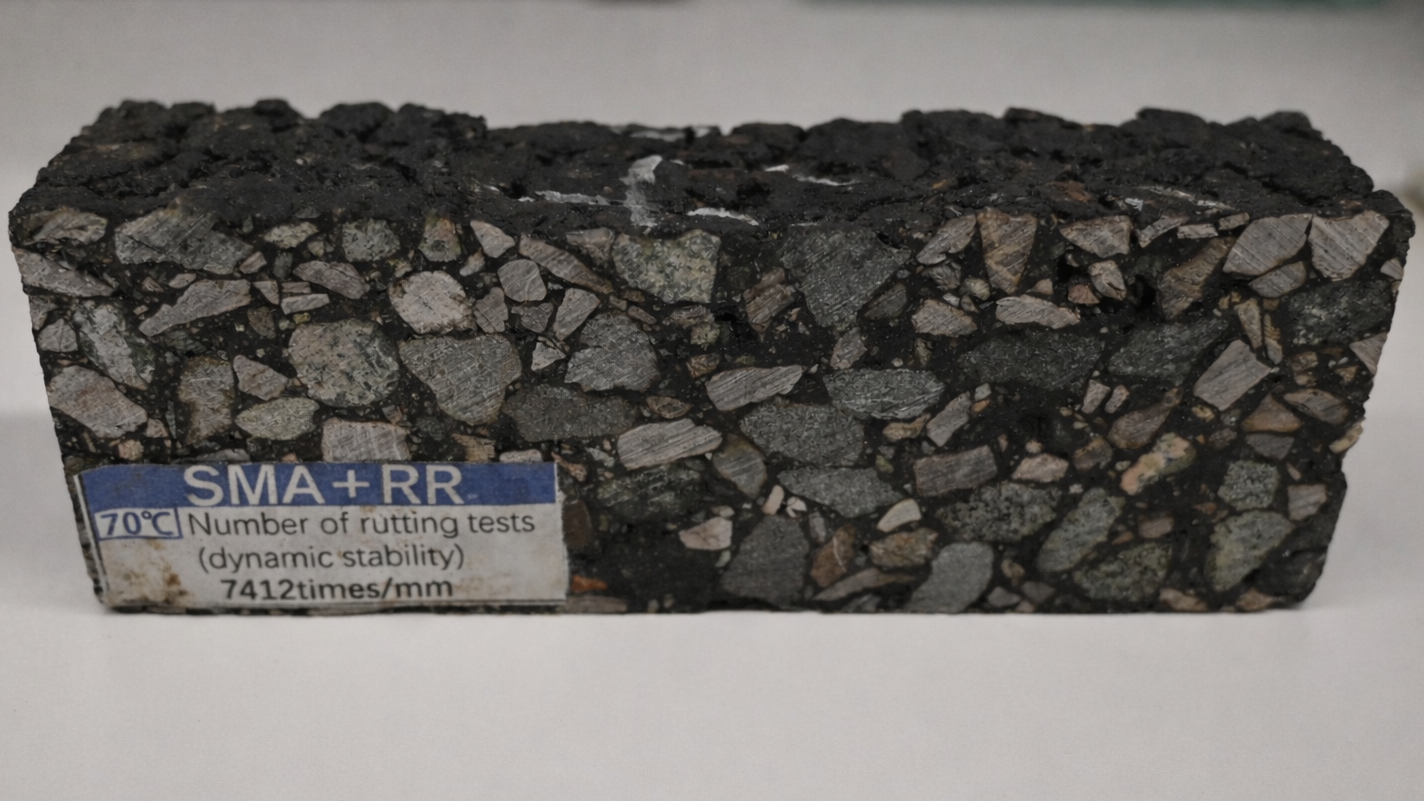
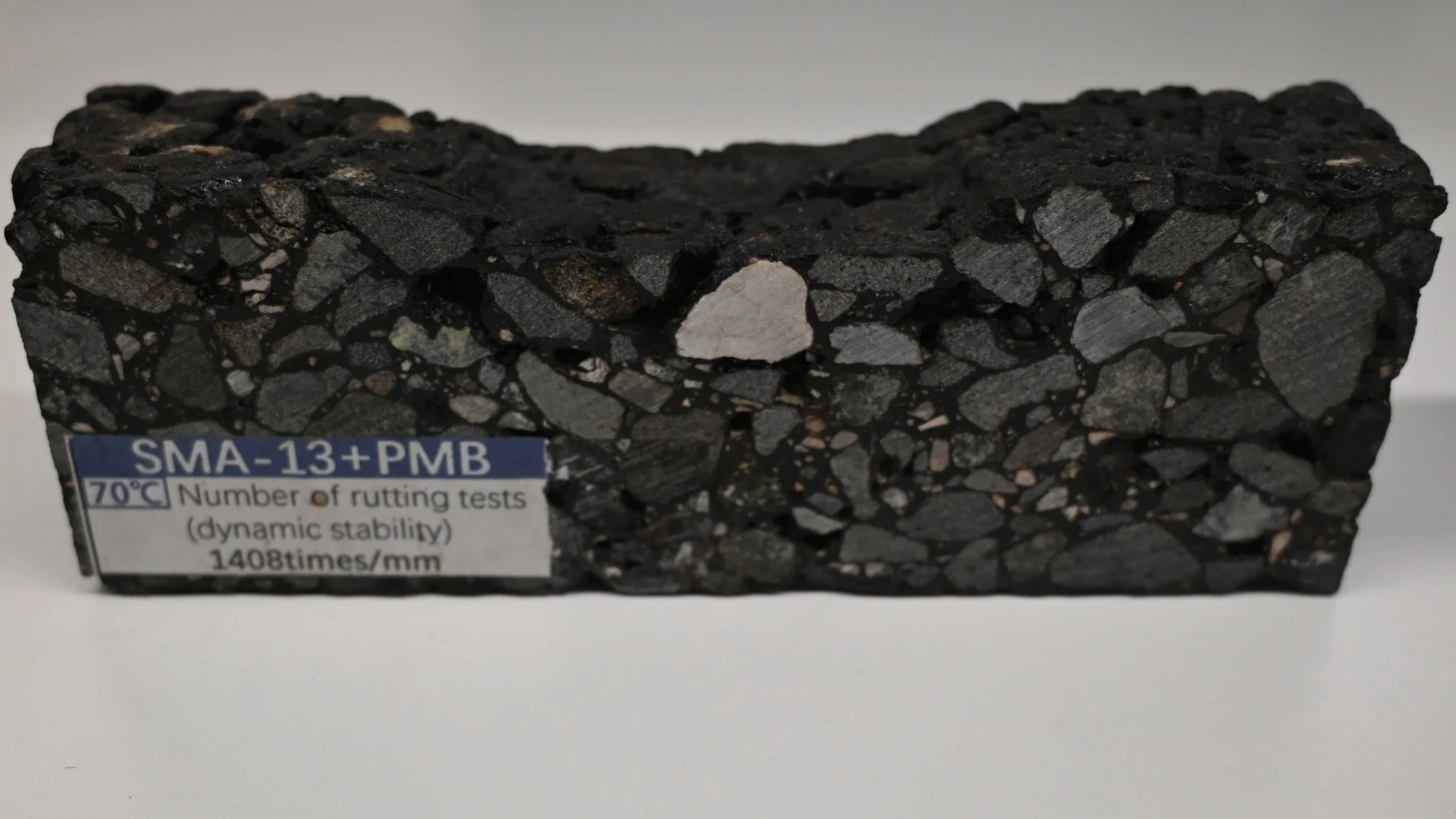
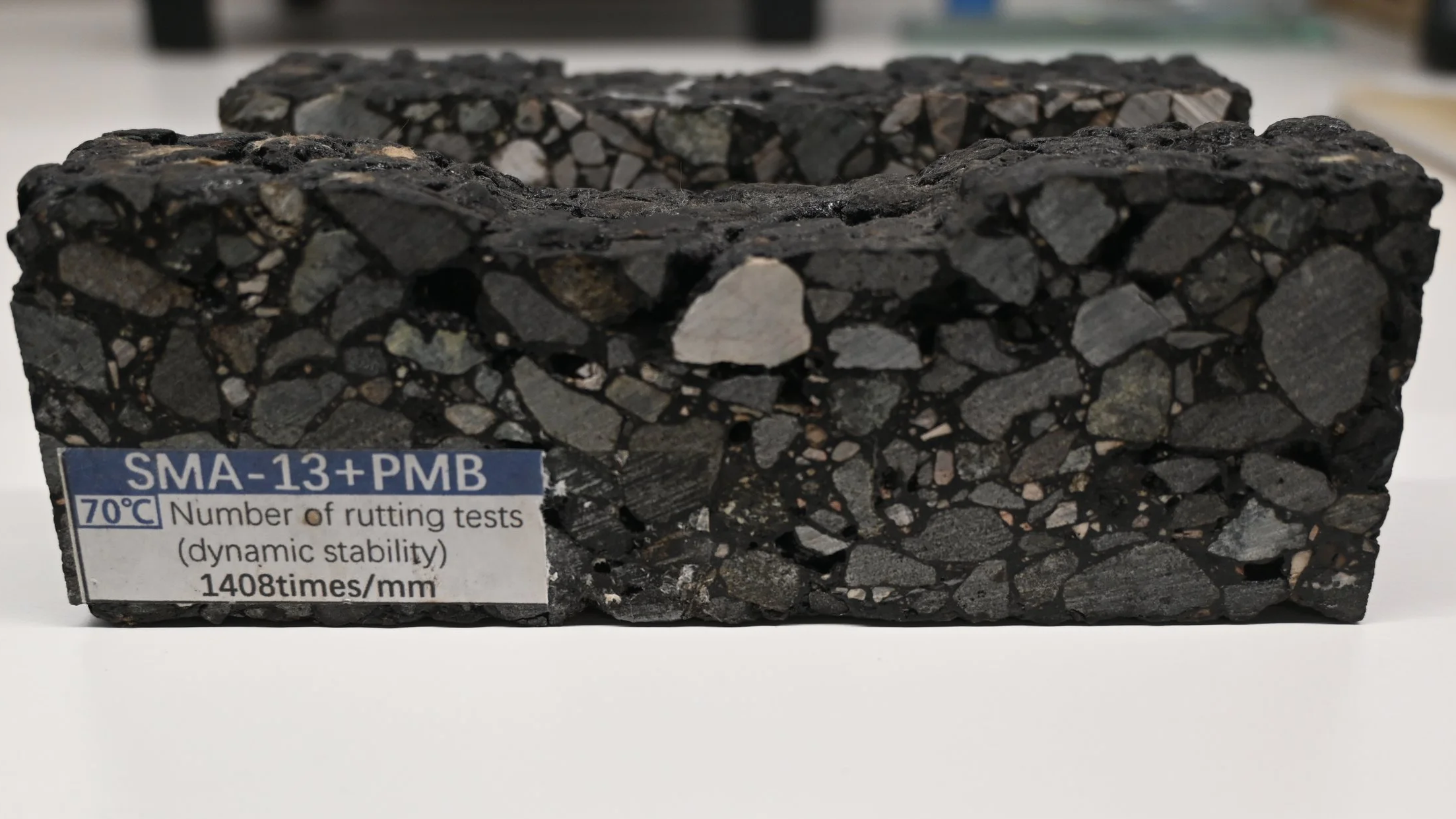
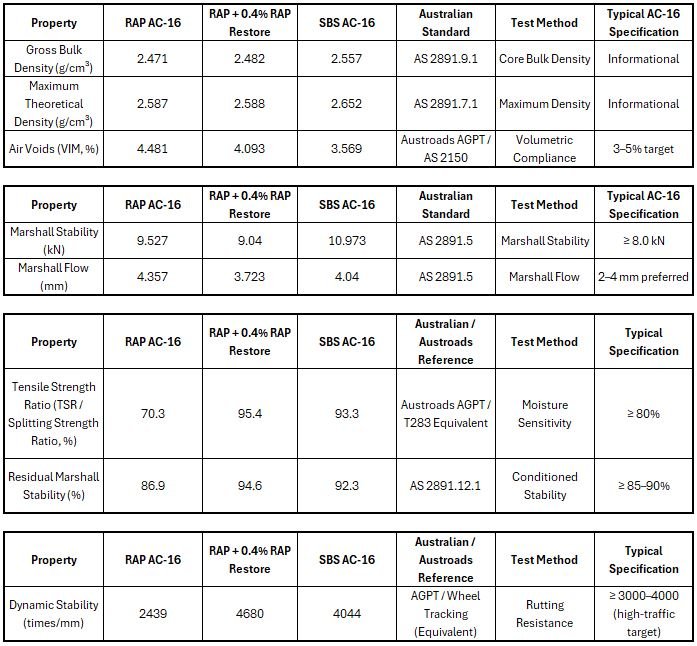
RAP Restore

Unlike traditional RAP Viscosity modification and/or PMB products that requre pre-blending , our high performance RAP polymer is supplied in solid pellet form, delivering significant operational advantages:
Simple Storage & Handling – Pellets can be stored in bags or containers without the need for heated tanks or stirring equipment. There is no risk of leakage or spillage common with liquid chemicals.
Direct Addition at Plant – The pellets are added directly into the asphalt mixing process with the hot aggregate, dispersing evenly without requiring calibrated sprayers or pumps.
Reduced Plant Maintenance – Being non-liquid, the additive eliminates issues of chemical corrosion, blocked nozzles, or pump failures, reducing downtime and long-term maintenance costs.
Improved Safety – Handling solid pellets minimises operator exposure to chemical vapours and avoids the hazards associated with hot liquid transfer.
Operational Flexibility – Can be introduced at batch or drum plants without retrofitting, allowing immediate use with existing equipment.
This pelletised form integrates seamlessly into the asphalt production process, making it a convenient, safe, and cost-effective alternative to liquid-based PMB’s while delivering significant performance in Asphlat overlays as thin as 10mm. Thats right, you read that right, 10mm.